
rotate your phone
Case study
Scroll through the slides
Method

Scroll through the process
Results

Dominant accessibility patterns

Travel speeds
Walking Slow
Walking
Cycling Slow
Cycling
Population groups
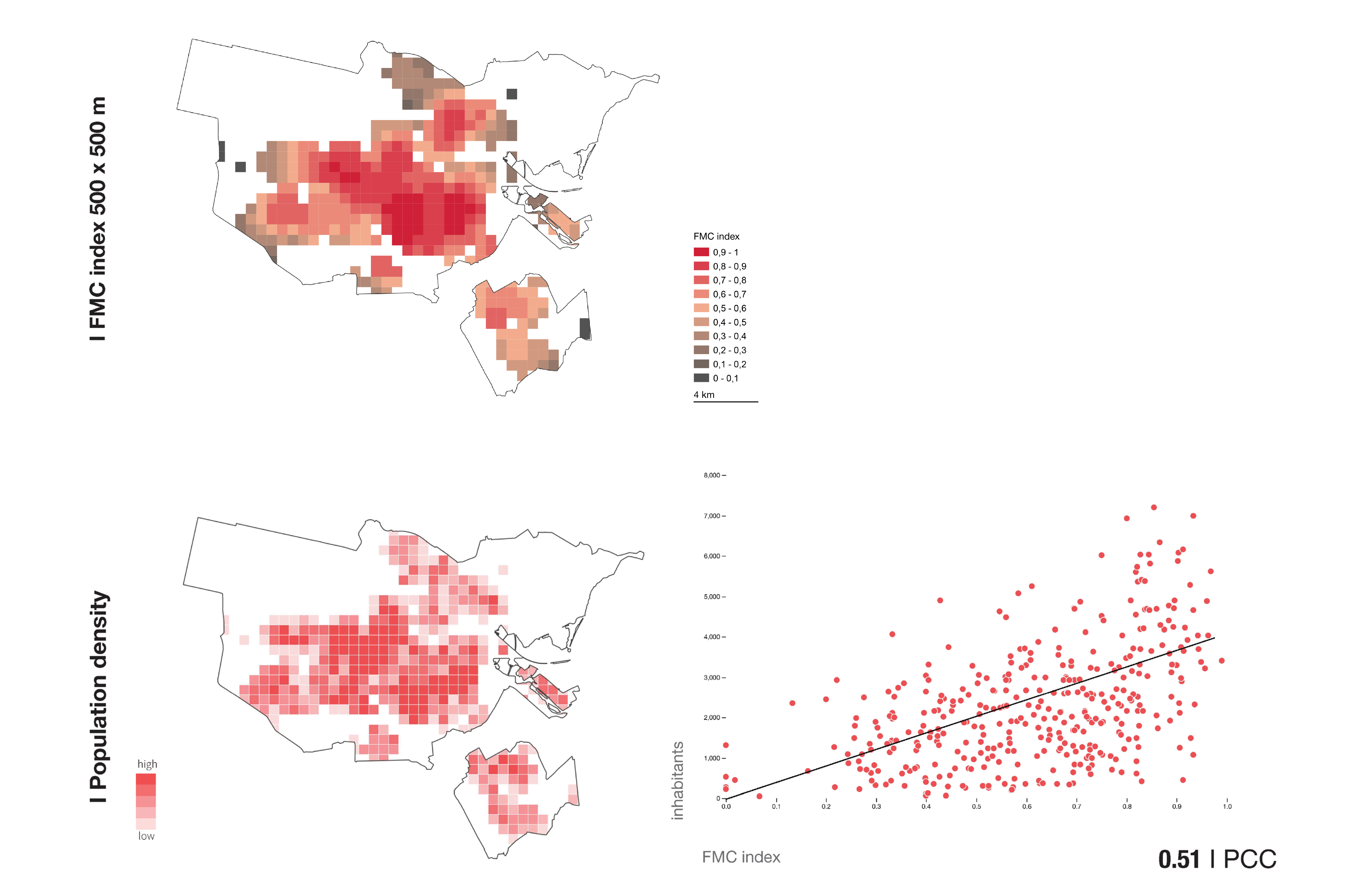
Overall scores
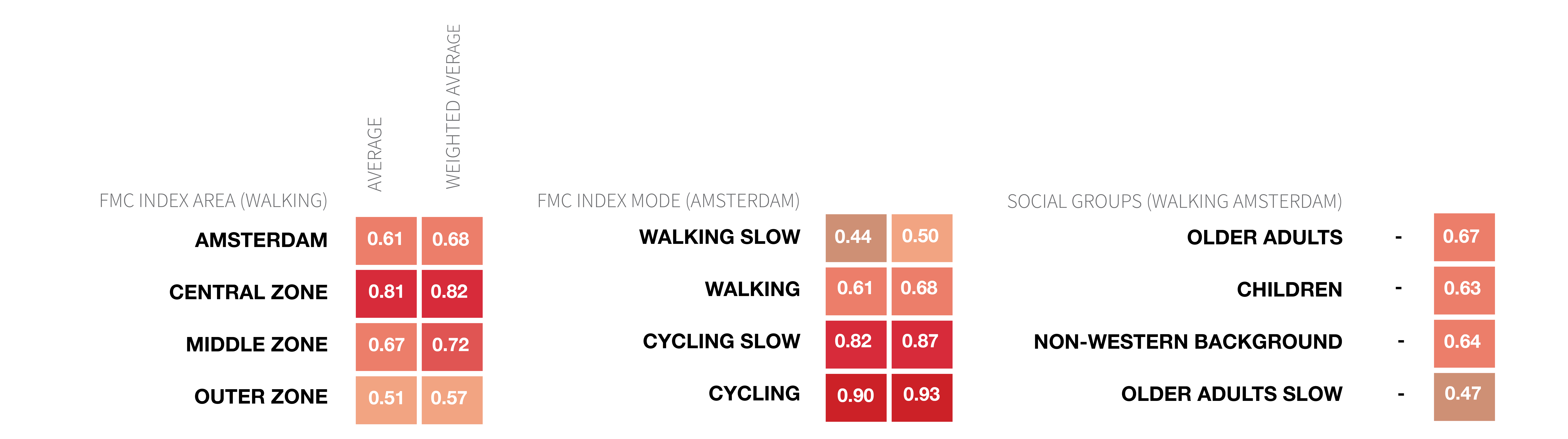
Zoom-ins
Research, Webpage -
Petar Koljenšić
Research - Thomas Verbeek
Results, findings, and visualizations are based on the publication:
All-inclusive 15-minute city? A fine-grained analysis of inequalities in spatial accessibility in Amsterdam. Journal of Urban Mobility, 2026.
This research was initiated as part of the corresponding author’s Master’s thesis under the supervision of Professor Bardo Hörl of Vienna University of Technology and Professor Haixiao Pan of Tongji University. We thank all colleagues from the Smart Urban Mobility team, led by Tom Kuipers and Maike Simmes, at the AMS Institute for constructive feedback and insightful discussions. We also thank Erik Boertjes and Caspar Egas for their support with software-related tasks during data collection and analysis.